In October, veteran director Martin Scorsese made waves throughout the film community when he claimed that Marvel movies were “not cinema,” and likened them to theme park attractions. Since then, many naysayers and supporters alike have given their two cents about what “real cinema” is and if the superhero genre has a seat at the table. One of the biggest complaints about Marvel’s films was that while they were well-made, many considered them to be formulaic and repetitive. If that is the case, Kevin Feige and Co. should be keeping a close eye on Julia Hart to direct one of their future films.
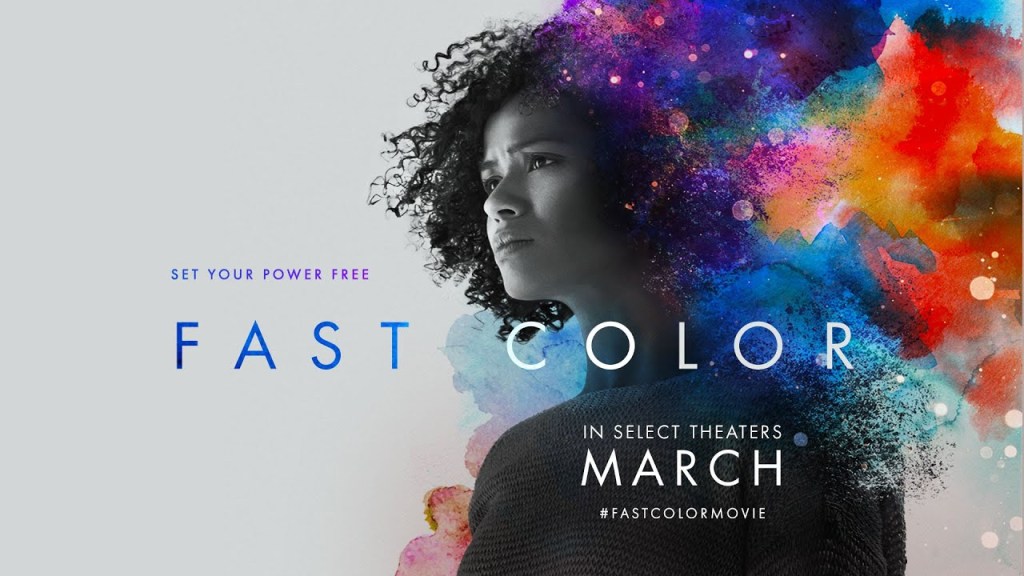
Hart’s sophomore directorial feature, “Fast Color,” premiered in April, making a paltry $77,000 in its limited release. Since then, however, the film has received new life as the inspiration for a television adaptation at Amazon Studios. What’s remarkable about Hart’s film is how it raises the bar for superhero storytelling, without a single cape or costume in sight.
When we first meet reformed addict Ruth (Gugu Mbatha-Raw), she’s on the run with nothing to lose. She’s different, suffering from seizures that can move the earth’s tectonic plates, making her a walking danger to herself and those she encounters. As Ruth’s “abilities” are slowly unveiled to the outside world, she finds herself with no choice but to return home. There, she uproots the life of her mother, Bo (Lorraine Toussaint) and daughter, Lila (Saniyya Sidney), who are more skilled and controlled with their powers.
Perhaps the reason why Hart’s film stands out in the superhero genre is because she keeps most of the spectacle on the back burner. If the supernatural element was completely stripped away, the film would still work as a strong character-drama. Emotions between the three protagonists drive every scene of the film, crafting a superb narrative of pain, regret, loss, and hope. Hart’s creative writing, including flashbacks and exposition, inform the audience of the history of these women without ever coming off as pretentious or routine.
When the sci-fi element of the film kicks in, it’s wholly unique and deeply captivating. Bo and Lila’s “abilities” are elegant and controlled, allowing them to deconstruct objects into dust and materialize them back together. The visual effects here, though cheaper, are stunning to watch, with a more organic, earth based feel that stands out from Superman’s eyeball lasers or Iron Man’s energy beams. Ruth’s tremors, highlighted with cracked walls and shaken camera, give stark visual representation of her broken mind and nervous demeanor. Special credit goes to composer Rob Simonsen, who mixes synth with strings to create an otherworldly, yet calming feel to these scenes.
The cast of “Fast Color” is one of the best things about this film. Lorraine Toussaint brings a hefty dose of stoicism and authority to a pretty reserved role, earning the respect of all other characters. Saniyya Sidney, in her biggest role since 2016’s “Fences” turns in a joyful, calculated performance that continues to build her career. David Strathairn and Christopher Denham provide dependable support as a sheriff and a scientist on Ruth’s tail.
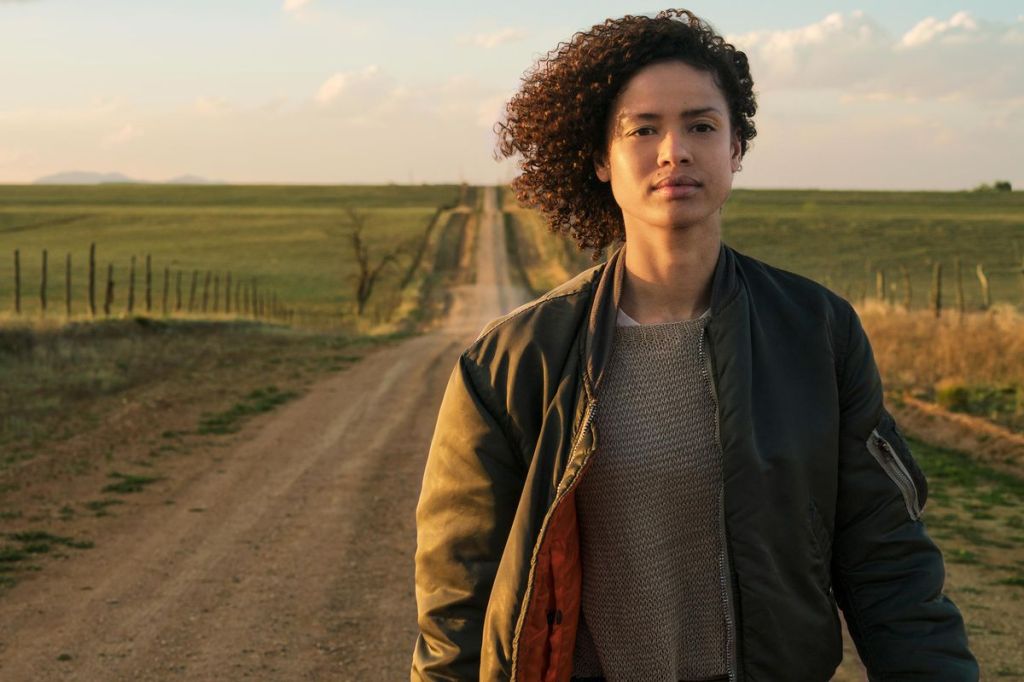
The real breakout here is Mbatha-Raw, turning in a complex, vulnerable, heart-breaking performance that leaps off the screen. Since breaking out in 2014’s “Belle” and “Beyond the Lights,” Mbatha-Raw has always been just one film away from becoming a household name with audiences, and this film is a reminder that she deserves that honor. Her portrayal of Ruth truly solidifies her status as one of independent film’s leading ladies. Ruth is a quiet tornado, speaking volumes with a single twitch of her face. Mbatha-Raw dedicates herself physically and mentally to the mindset of a former addict and a living weapon, and her performance produces a lived-in authenticity that is not often seen in science fiction films. Her performance, combined with Toussaint and Sidney’s, produces a powerful triad of black women that is sure to inspire audiences, as well as pave the way for more roles in the science fiction genre for black actresses of all ages.
If the film suffers from anything, it’s that the slow-burn buildup goes out with a whimper rather than a bang by the film’s end. The payoff is satisfying, but you can’t help to want to see more of what these women are capable of. What is satisfying is the revelation that Julia Hart is one of independent cinema’s bravest new voices, crafting beautiful stories like “Fast Color” that deserve to reach a wider audience than they have.
Grade: 7.5/10
 Reel Talk